


HISTORY
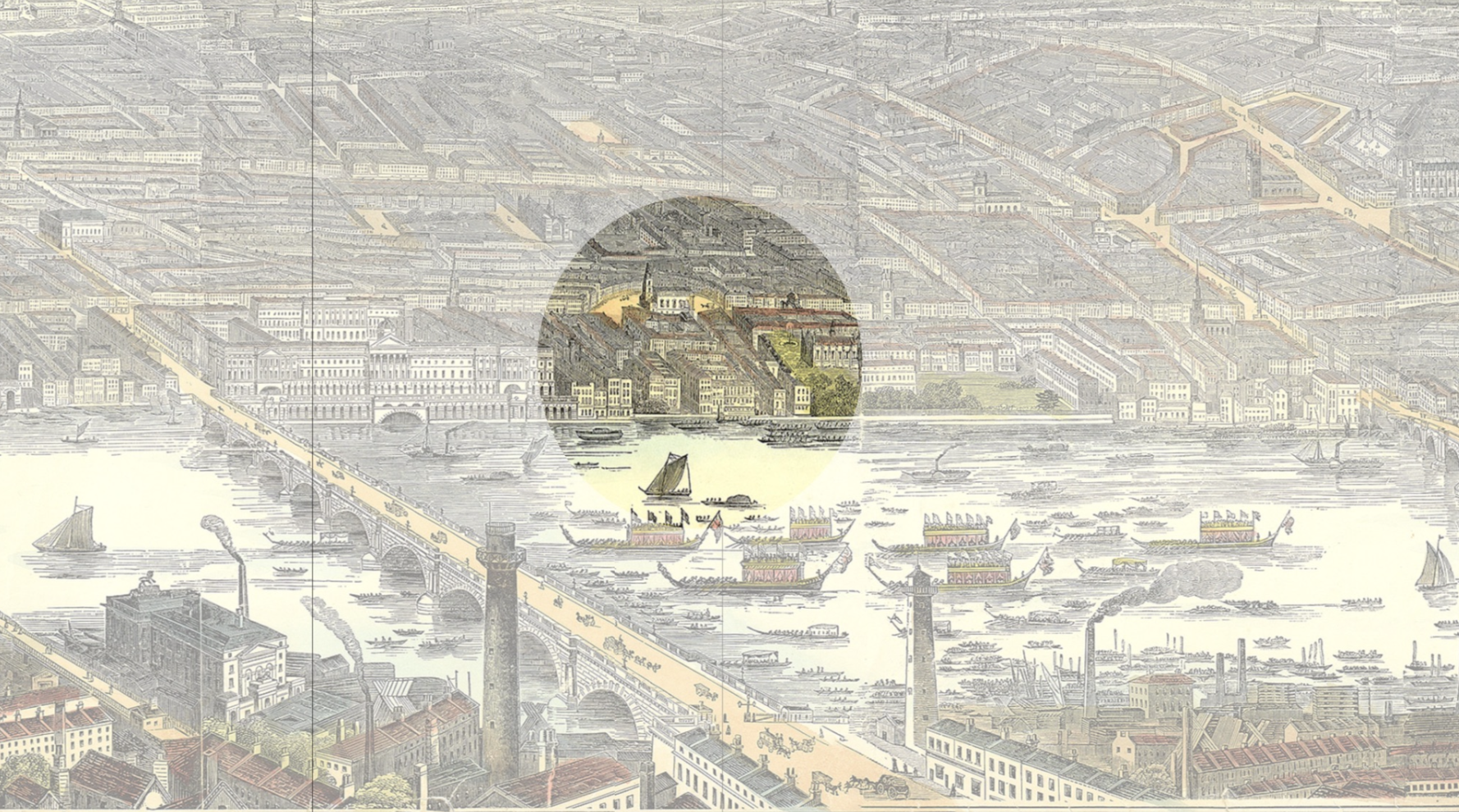
St. Clement hotel is situated in 180 The Thames: the historic and geographical heart of the capital since the 6th century.
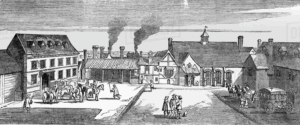
The site sits within the historic footprint of Arundel House, the London seat of the Earl of Arundels. The most notable was the art collecting earl Thomas Howard. In his era in the early 17th century, Arundel House contained works by Rubens, da Vinci, Titan and Van Dyck. The house was eventually demolished around 1680–1682 and the collection broken up.
The area evolved into townhouses: homes for professionals, actors, writers, including Romantic poets Shelley and Coleridge. It was close to the heart of London’s publishing industry; it was also the gateway to the theatres of the West End.
In the Victorian era, the newly embanked Thames created riverside gardens.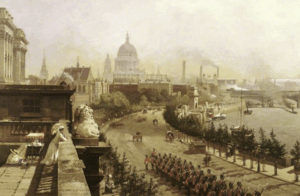
The area would gain fame for hospitality: In the 1889, the Savoy Hotel opened a block away: the most chic hotel of its era and groundbreaking. It brought high style, electricity and continental chefs to its British clientele. The street’s global reputation would grow further as the home of the BBC. The World Service based in Bush House, was the first example of global media.

In 1972, work began to restore the legacy of Arundel House. The smaller townhouses were replaced with an iconic building, at massive scale in the Brutalist style, by architect Frederick Gibberd.
St. Clement Hotel is part of this. Sitting on the south-west side, with views over the Thames, it is named after the nearby church St Clement Danes, famed for its bells.
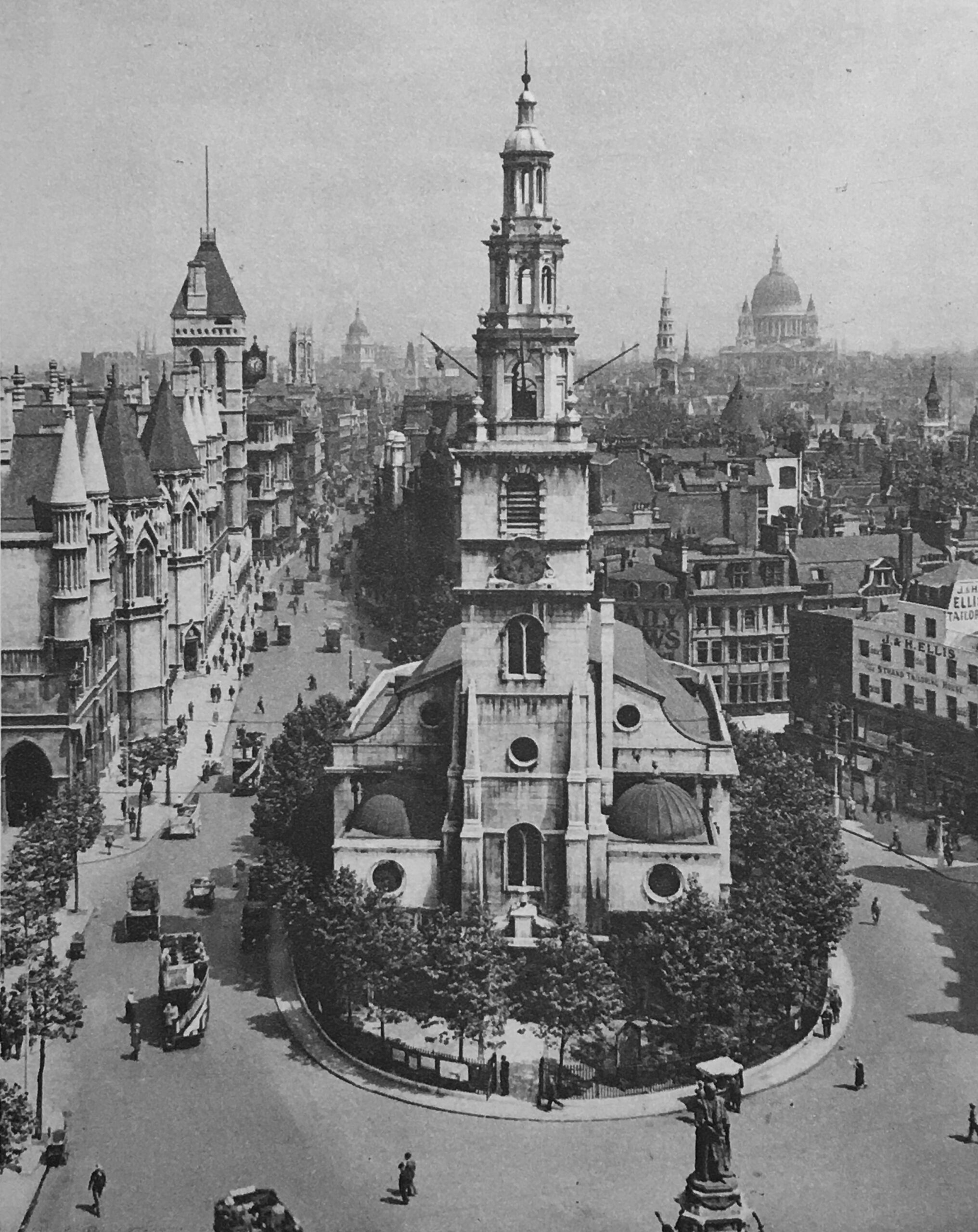
“Oranges and lemons,
Say the bells of St. Clement’s.”